World Environment Day: Environmental protection and Human Rights
05 June 2026
(PR)168-PPA/168/2026/12
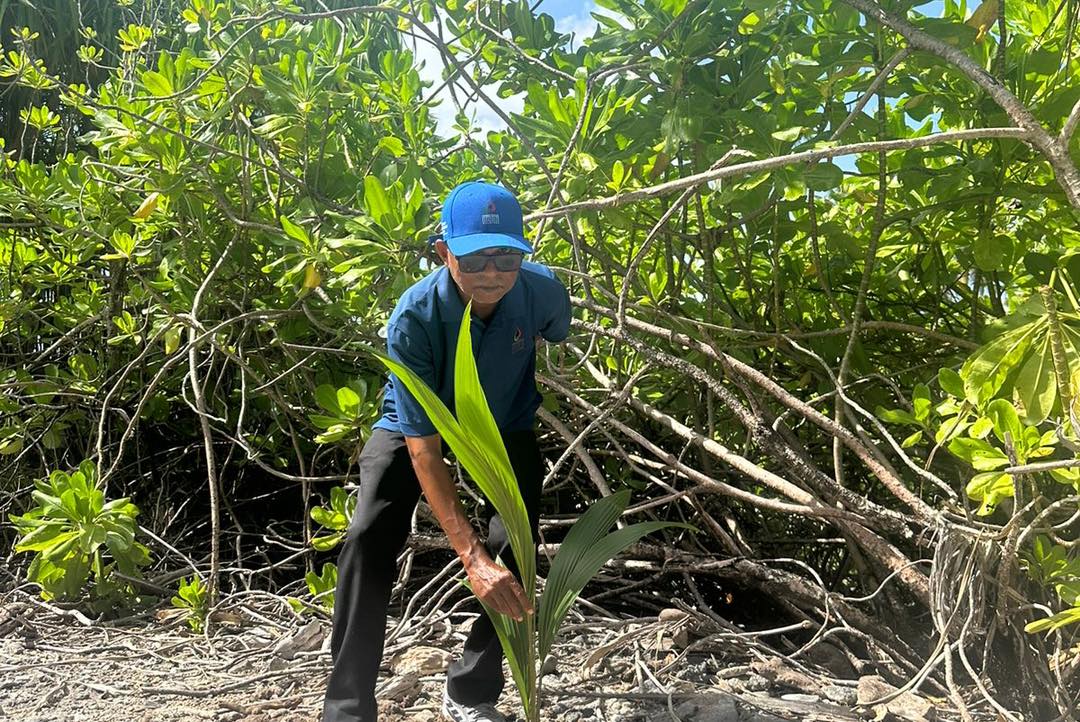
The activities commemorating World Environment Day 2026 are shaped around defining environmental protection as an issue intrinsically linked to human rights. The theme designated for this year’s World Environment Day is "Inspired by Nature. For Climate. For Our Future." This theme emphasizes that protecting the natural environment is not optional, but rather plays a vital role in overcoming climate change and safeguarding human rights. Furthermore, this year's international campaign is being conducted under the hashtag #NowForClimate. The primary objective of this campaign is to accelerate climate action and to advocate for the recognition of the right to a protected environment as a fundamental human right.
Pursuant to Article 22 of the Constitution of the Republic of Maldives, the protection and preservation of the country’s natural environment, biodiversity, natural resources, and beauty for the benefit of present and future generations is established as a fundamental duty of the State. At the same time, Article 23 of the Constitution of the Republic of Maldives guarantees every citizen access to adequate nutritious food and clean water, as well as the right to a clean and healthy environment, thereby illustrating that environmental protection is inextricably linked to fundamental human rights.
Given this interconnection between climate change and human rights, the vulnerability is particularly acute for a low-lying island nation such as the Maldives. Rising sea levels, coastal erosion, and extreme weather events directly impact fundamental human rights, including the right to life, the right to health, the right to adequate housing, and the right to live in a safe environment. This year’s theme underscores the importance of pursuing nature-based solutions to protect these rights. Accordingly, safeguarding coral reefs and mangroves, as well as conserving marine life, is not solely an environmental protection matter; it is an imperative necessity to protect communities in the face of climate change and to sustain livelihoods.
To ensure environmental rights and reinforce climate action, procedural rights that facilitate the participation of individuals and communities in environmental decision-making play a crucial role. This includes enhancing public participation in policies, decisions, and project planning that may impact the environment.In a country like the Maldives, where environmental and climate changes directly impact livelihoods and income, reducing waste, conserving energy and water, supporting island-level environmental protection efforts, and increasing public participation in activities such as beach cleanups and reef protection reinforce individual and social responsibility. Furthermore, seeking environmental information and promoting the adoption of eco-friendly practices in schools, offices, and island-level activities will foster a spirit of environmental preservation.
In the efforts to protect the environment and overcome climate change, relevant institutions can be held accountable, and individuals or civil society organizations can participate in decision-making processes to advocate for the protection of environmental rights. Peaceful expression is a crucial component of such participation. It provides an opportunity to draw attention to the challenges posed by climate change and to advocate for the right to a safe and sustainable environment. Combined, these efforts pave the way for formulating responsible, inclusive, and outcome-oriented policies.
World Environment Day 2026 reminds us that protecting the natural environment is inseparable from protecting human rights. Moreover, taking action against climate change is essential to ensuring a just and sustainable future for all.